
News
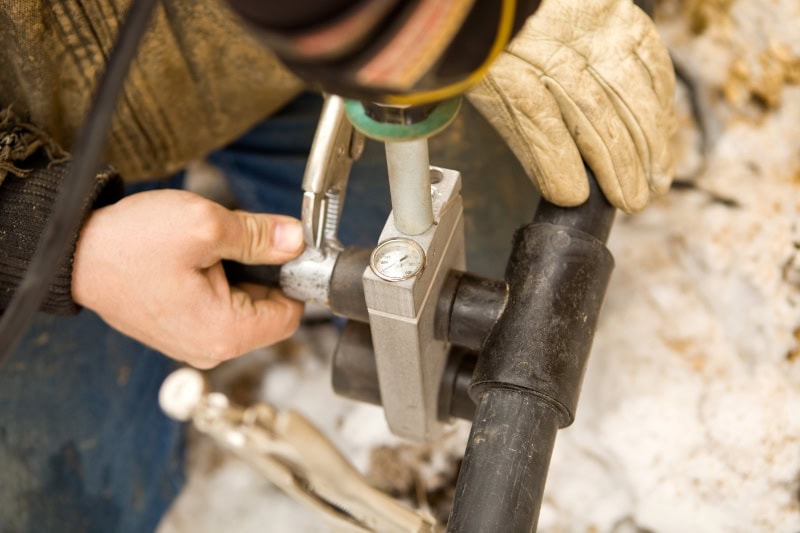
According to the U.S. Department of Energy, proper sizing improves energy efficiency, indoor air quality, comfort, and overall system performance.

The sound of a well-maintained heating, ventilation, and air conditioning (HVAC) system is like a lullaby for a good night’s sleep.
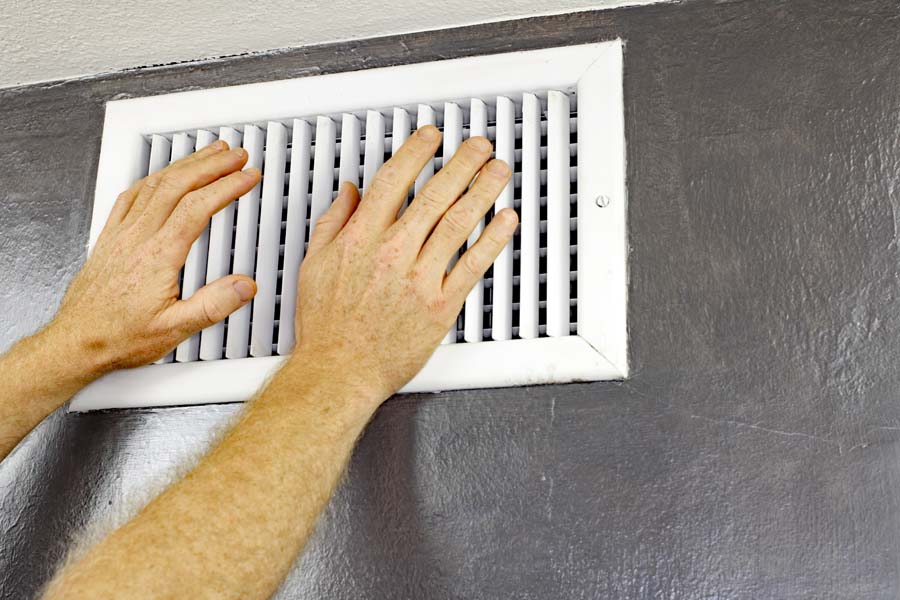
It’s a hot day outdoors, and you are inside your Manning home waiting for your air conditioning (AC) system to kick into full gear.
As a Tempstar® Elite Dealer and NATE-certified company, Advance Heating & Air is known for its expertise and dedication to quality service.

As the temperatures begin to rise in Dalzell, many homeowners are firing up their air conditioners for the first time in months. But what if, instead of a refreshing blast of cool air, you’re hit with an unpleasant smell?
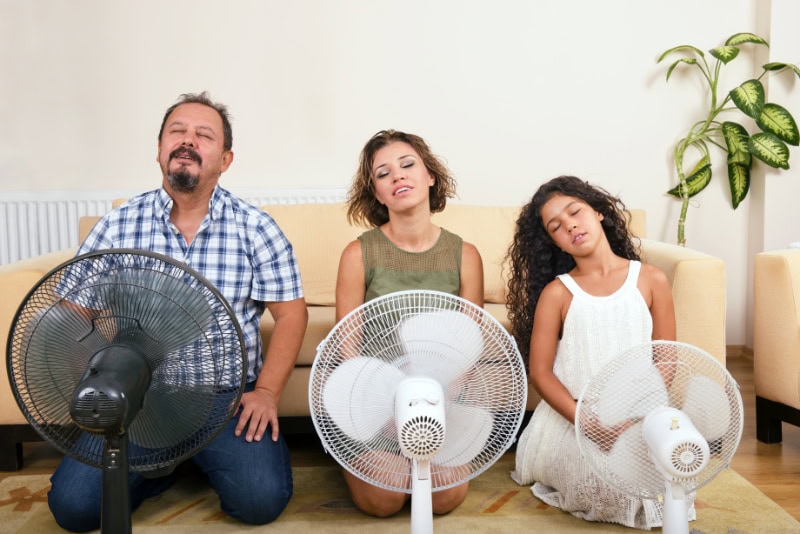
Should you repair or replace? That’s always the big question when it comes to major home systems like air conditioning (AC).
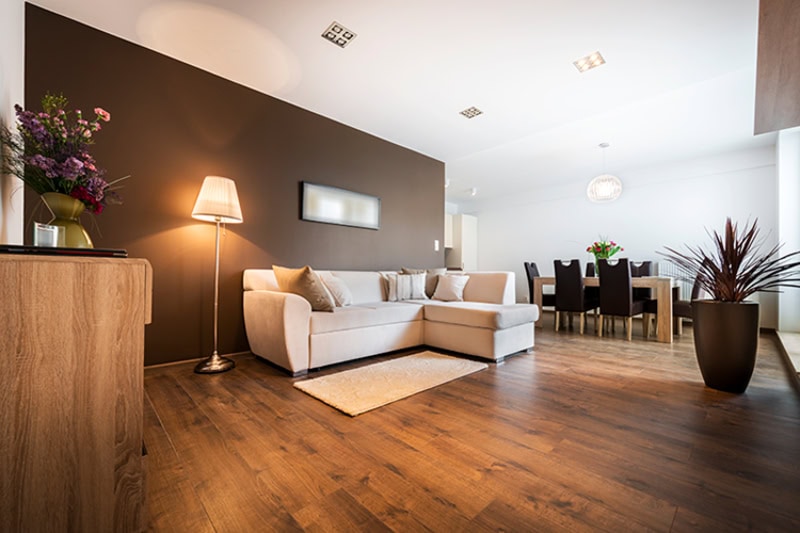
The US Environmental Protection Agency (EPA) consistently ranks indoor air pollution as a growing concern to the public’s health.
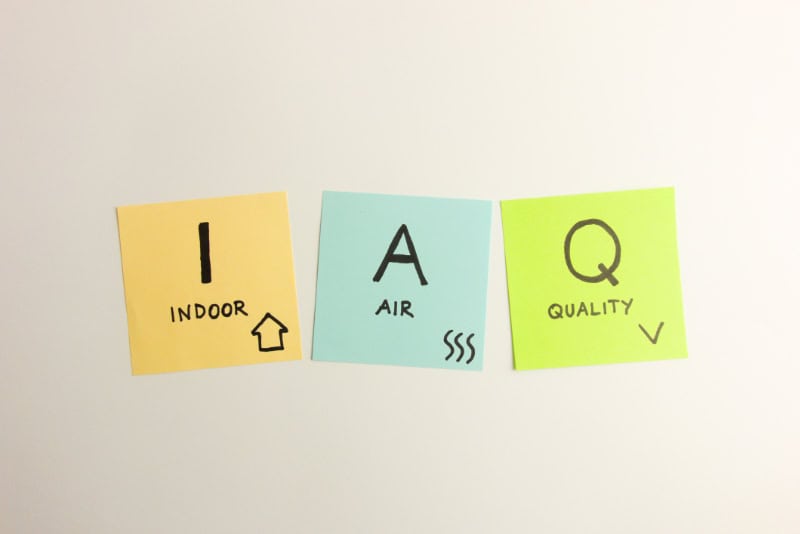
Stand outdoors on one of those days when the weather feels perfect, take a few deep breaths, and enjoy the fresh air. Later, take another deep breath—only inside your South Carolina home. How does it compare?
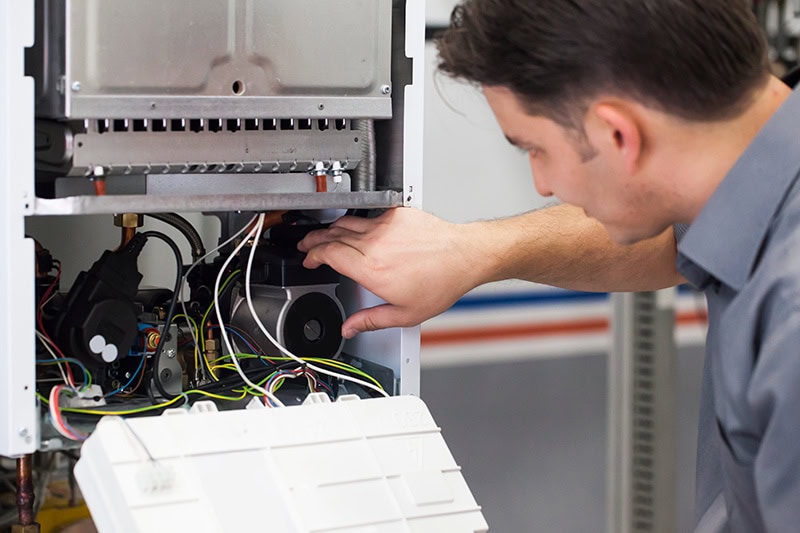
You could save up to 30 percent on your energy bill when you perform maintenance that support ideal system efficiency, according to the IAQA.
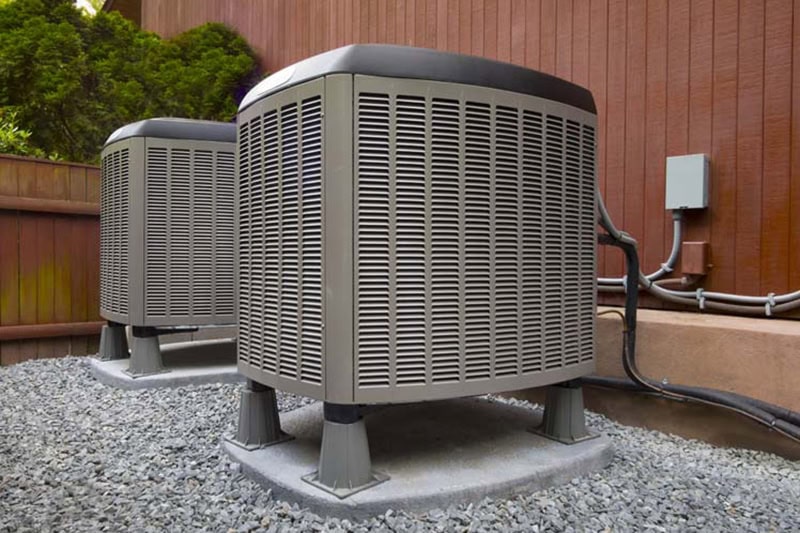
Today’s air conditioner (AC) is based on a prototype invented in 1902 by Willis Carrier, an engineer from Buffalo, New York. Unlike earlier forms of cooling, Carrier’s model controlled the temperature by removing heat and humidity from the air.